Arrive, Heal, Fly Home: A Realistic 48-Hour Itinerary for Fissure Surgery in Indore
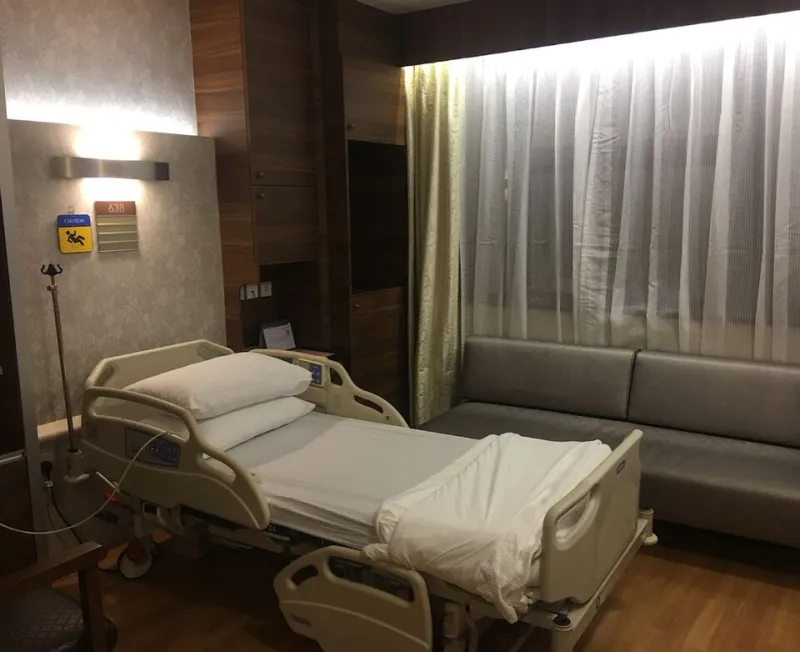
Photo: JesusisGreat7, CC0, via Wikimedia Commons
For most American patients, the hardest part of medical travel is not the surgery. It is the unknown: Where do I go when I land? What happens at the hospital? What will I eat, and where will I sleep? Uncertainty, more than fear of the procedure, is what keeps people home. So let's remove it. Here is what a realistic first 48 hours in Indore look like when you arrive for fissure surgery.
Hours 0–6: Landing and Settling In
Devi Ahilyabai Holkar International Airport (IDR) receives direct and connecting flights from major hubs, typically via Delhi or Mumbai. Most hospitals and surgical practices that host international patients arrange complimentary airport pickup—confirm this during your telehealth consultation, and have your coordinator's phone number saved offline.
Your driver takes you to pre-arranged accommodation, usually a hotel or guesthouse within ten minutes of the hospital. Two practical tips: book a room close to the hospital with a clean, private bathroom (this matters more than amenities), and plan to arrive at least one full day before surgery for rest and pre-operative testing.
Hours 6–24: Pre-Operative Workup
Day one is administrative and clinical, not surgical. Expect:
- In-person consultation with your surgeon, including an anoscopic examination to confirm the operative plan made remotely.
- Baseline labs and screening—blood work, and depending on your age and history, possibly an ECG.
- Anesthesia review and a discussion of fasting instructions.
- Consent and payment finalization, with an itemized statement you should already have in writing.
Use the evening to prepare your recovery space: stock up on the stool softeners, fiber supplements, and high-fiber foods your team recommends. Pharmacies in Indore are well-stocked and inexpensive, and your coordinator will point you to one.
Hours 24–30: Surgery Day
Fissure procedures—whether sphincterotomy or Botox—are typically short, performed under regional or light general anesthesia, and done as day cases or with a single overnight stay.
You arrive at the hospital in the morning, complete admission paperwork, and change into surgical attire. The procedure itself usually takes under an hour. You will spend a few hours in recovery monitored by nursing staff before being discharged to your accommodation the same day, or kept overnight if your surgeon prefers observation.
Hours 30–48: The First Night and Morning After
The first 24 hours after surgery are about three things:
- Pain control. Discomfort is real but manageable, and typically far milder than the chronic fissure pain you arrived with. Take prescribed medication on schedule rather than waiting for pain to spike.
- Bowel management. Your team will give you a regimen—stool softeners, fiber, plenty of water, and warm sitz baths two to three times daily. Follow it precisely; the first postoperative bowel movement is the moment patients worry about most, and the regimen exists to make it uneventful.
- Gentle movement. Short walks, even just to the hotel lobby, reduce complications and speed recovery. No lifting, no long excursions.
Eating Well While Healing
Indore is famously India's food capital, but recovery week is not the time for street food adventures. Stick to a high-fiber, low-irritation diet: dal, cooked vegetables, whole-grain rotis, oatmeal, yogurt, and abundant water. Your care team will provide specific dietary guidance; many practices also arrange meal delivery to your guesthouse. Avoid chilies, alcohol, and caffeine excess during the first week.
What to Do While You Heal
Recovery in Indore is genuinely restful, not confining. Patients commonly spend the week taking short walks, catching up on reading or remote work, and attending brief follow-up visits. If you feel well enough toward the end of your stay, gentle outings—Rajwada's historic streets, a stroll through a garden—add a small measure of normalcy to the trip. The key word is gentle: think convalescence with scenery, not tourism.
Before You Fly Home
Your final follow-up visit should include a wound check, a written discharge summary in English, prescriptions for the flight and first week home, and a scheduled telehealth check-in for when you are back in the States. Most patients fly home between days five and eight, comfortable and mobile.
Forty-eight hours in, the mystery is gone. What remains is a straightforward, well-supported recovery—and, for most patients, the first real relief they have had in years.