More Than Physical Pain: The Silent Damage Chronic Fissures Inflict on Your Career, Relationships, and Mind

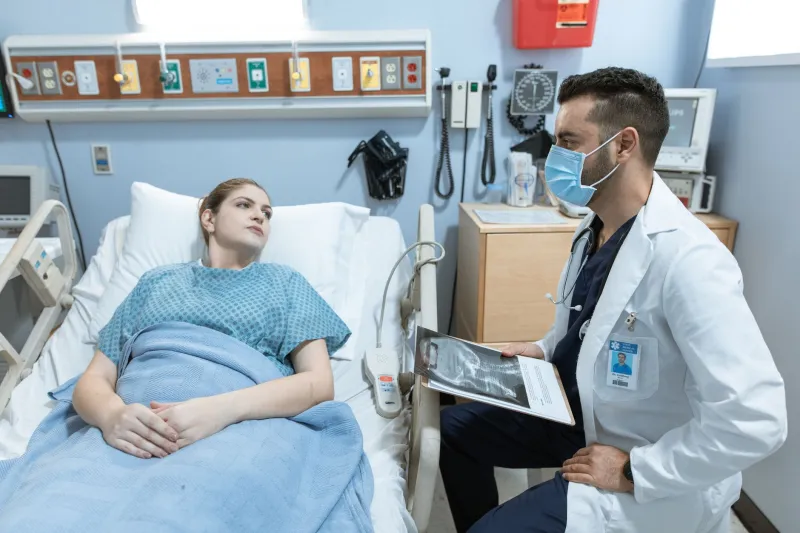
Photo by Photo by Vitaly Gariev on Unsplash on Unsplash
When most people think about anal fissures, they think about pain—sharp, burning, sometimes debilitating pain that accompanies every bowel movement. What rarely enters the conversation, however, is everything else that pain quietly destroys over time. The professional ambitions quietly shelved. The dinner invitations politely declined. The persistent low-grade dread that settles into daily life like an uninvited houseguest who refuses to leave.
For millions of Americans living with chronic fissures, the physical symptom is only the beginning of a much larger story.
The Boardroom Toll: When Pain Follows You to Work
Concentration is a finite resource. When a portion of your mental bandwidth is perpetually occupied by anticipating pain, managing discomfort, or dreading your next trip to the restroom, your capacity for focused, high-quality work diminishes in ways that are difficult to quantify but impossible to ignore.
Consider the mid-level manager who finds herself rereading the same paragraph three times before a presentation because she spent the previous hour managing post-bowel-movement pain. Or the software developer who schedules his most demanding coding blocks around bathroom anxiety, quietly restructuring his entire workday to accommodate a condition he has never mentioned to his employer.
Research consistently links chronic pain conditions to reduced cognitive performance, lower productivity, and increased rates of absenteeism. Fissures, though rarely discussed in occupational health literature, are no exception. The cyclical nature of fissure pain—predictable yet uncontrollable—creates a particular kind of workplace stress. You know the pain is coming. You cannot stop it. You must perform anyway.
Over months and years, this sustained pressure compounds. Promotions may be passed over. Ambitious projects may be avoided. The professional trajectory you envisioned begins to narrow, not because of a lack of talent or drive, but because a treatable medical condition was allowed to persist.
Relationships Under Strain: The Isolation No One Admits
Chronic pain is inherently isolating, and fissure pain carries an additional layer of social complexity: the condition itself is rarely something patients feel comfortable discussing. Unlike a broken leg or a well-known chronic illness, an anal fissure occupies an area of the body that most American social norms render unspeakable in polite company.
The result is a particular kind of loneliness. Patients suffer in silence, constructing elaborate social strategies to mask their condition. A spontaneous road trip with friends becomes a logistical nightmare. A romantic dinner requires advance planning around bowel schedules. A family holiday gathering transforms into an exercise in quiet endurance.
Partners and spouses often sense that something is wrong without fully understanding what it is. Intimacy can suffer—not only physical intimacy, which may become uncomfortable or anxiety-inducing, but emotional intimacy as well. When one partner is guarding a painful secret, genuine connection becomes harder to sustain. The wall built to protect dignity can, over time, become a wall between two people who love each other.
Friendships, too, bear the weight. Repeated cancellations, unexplained reluctance to participate in social activities, and a general withdrawal from communal life can cause friends to drift away or, worse, interpret the distance as personal rejection. The patient is left more isolated precisely when human connection would be most restorative.
The Psychological Undercurrent: Anxiety, Depression, and the Dread Cycle
Perhaps the least visible—and most damaging—consequence of prolonged fissure pain is its effect on mental health. Chronic pain and psychological distress share a well-documented relationship: each tends to amplify the other in a cycle that can be extraordinarily difficult to interrupt without addressing the underlying physical cause.
For fissure patients, a specific psychological pattern often emerges. Because pain reliably follows bowel movements, the anticipation of going to the bathroom becomes its own source of anxiety. Patients may begin restricting fiber intake, reducing fluid consumption, or delaying bathroom visits in an unconscious attempt to postpone the inevitable—behaviors that paradoxically worsen constipation and intensify the fissure itself.
This anticipatory dread extends beyond the bathroom. Social anxiety increases. Sleep quality deteriorates. The persistent awareness of pain—even during pain-free intervals—keeps the nervous system in a low-level state of alert that is physiologically exhausting. Over time, this sustained stress response can contribute to clinically significant anxiety disorders and depression.
A 2021 review published in the journal Pain noted that patients with chronic anorectal conditions reported significantly elevated rates of psychological distress compared to the general population. Many described feelings of shame, helplessness, and a diminished sense of self-worth—emotions that do not appear on any medical chart but are very real in the lives of those who carry them.
Why Waiting Does Not Make It Better
One of the most persistent and damaging beliefs about fissures is that they are simply something to endure—a condition that will eventually resolve on its own if managed carefully enough with diet, sitz baths, and topical creams. For acute fissures, conservative management is often appropriate and effective. But for chronic fissures—those lasting more than eight to twelve weeks—the physiological reality is different.
Chronic fissures are typically sustained by a cycle of elevated sphincter tone, reduced blood flow to the fissure site, and repeated trauma. Without intervention that addresses this cycle directly, many chronic fissures do not heal spontaneously. They persist. And with each passing month, the professional, relational, and psychological costs accumulate.
The decision to pursue surgical treatment is not a concession to failure. It is a recognition that a chronic condition requires a definitive solution—and that your career, your relationships, and your mental health deserve that solution sooner rather than later.
Reclaiming the Life Pain Has Borrowed
Patients who undergo successful fissure treatment frequently describe the aftermath in terms that go well beyond physical relief. They speak of returning to the gym, accepting social invitations without anxiety, sleeping through the night, and showing up to work with a clarity of mind they had forgotten was possible. They describe, in short, the return of a life that chronic pain had quietly borrowed from them.
At Fissure Surgery Indore, we understand that the decision to seek surgical care is rarely made lightly—particularly for patients navigating this choice from across the globe. Our commitment is to provide not only expert clinical care but also the information and support necessary for patients to make decisions that genuinely serve their whole lives: professional, personal, and psychological.
The pain you have been managing is real. So is the life waiting on the other side of treating it.