Your Week-by-Week Guide to Life After Fissure Surgery: A Transparent Recovery Roadmap
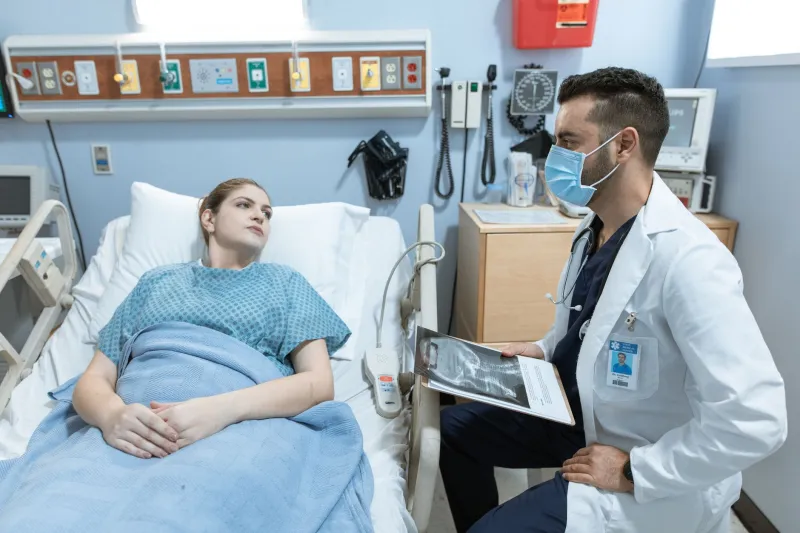
Undergoing fissure surgery is a significant decision, and for many patients—particularly those traveling from the United States to seek care at a specialized center like Fissure Surgery Indore—the recovery period can feel just as daunting as the procedure itself. Questions about pain, mobility, diet, and when you can safely board a return flight are entirely valid. At Fissure Surgery Indore, we believe that an informed patient is a confident patient. This guide provides a clear, honest account of what the post-operative experience typically looks like, week by week.
The First 24 Hours: Waking Up After Surgery
Immediately following your procedure—whether you underwent a lateral internal sphincterotomy (LIS) or an advanced fissurectomy—you will spend a short period in a supervised recovery area. Most patients describe a sensation of localized pressure or mild throbbing rather than sharp pain, largely because modern anesthesia and nerve-blocking techniques are used during the operation.
You will be encouraged to urinate before being discharged, and a light meal is typically permitted within a few hours. A soft, high-fiber diet begins immediately—this is not optional. Keeping stools soft from day one is the single most important factor in a smooth recovery. Your care team will prescribe a stool softener and outline a clear medication schedule, which usually includes a mild oral analgesic and a topical anesthetic ointment.
Arrange for someone to accompany you back to your accommodation. Driving is not permitted on the day of surgery.
Week One: Rest, Routine, and Realistic Expectations
The first seven days are the most physically demanding portion of the recovery. Expect some discomfort during bowel movements—this is normal and does not indicate that something has gone wrong. The surgical site is healing, and the passage of stool can irritate tender tissue. Many patients find that taking a pain reliever approximately 30 minutes before an anticipated bowel movement significantly reduces discomfort.
Sitz baths become your best ally during this phase. Soaking the affected area in warm (not hot) water for 10 to 15 minutes after each bowel movement and two to three additional times per day promotes circulation, reduces muscle spasm, and keeps the area clean. Most patients report noticeable relief from sitz baths within the first few days.
Activity during week one should be minimal. Walking short distances around your accommodation is encouraged and actually aids in reducing swelling, but prolonged sitting, lifting anything heavier than a gallon of water, and strenuous movement should be avoided entirely. If you are staying in Indore as part of a medical tourism arrangement, this is an ideal time to rest in your hotel and allow your body to focus its energy on healing.
Expect some light spotting or minor bleeding, particularly after bowel movements. A small amount of discharge is also common. Contact your care team immediately if bleeding is heavy or persistent.
Weeks Two and Three: Gradual Return to Function
By the start of the second week, the majority of patients notice a meaningful reduction in post-bowel-movement pain. The surgical site continues to heal internally, and the tissue becomes progressively less sensitive. Sitz baths remain important and should continue throughout this phase.
Most patients who have traveled from the United States can consider their return flight during this window, typically between days 10 and 14, provided their surgeon has cleared them. It is advisable to book an aisle seat, stand and walk briefly every hour during the flight, and carry all prescribed medications in your carry-on luggage. A travel letter from your surgeon explaining the procedure and your medications is highly recommended for airport security and customs.
Light desk work or remote professional tasks can often be resumed during week two. However, if your occupation involves physical labor, heavy lifting, or prolonged standing, you will need to wait longer before returning to those duties.
Diet remains a priority. Fiber intake of 25 to 35 grams per day—achieved through whole grains, vegetables, legumes, and fruit—combined with adequate hydration (at least eight glasses of water daily) is essential. Constipation at this stage can set back healing significantly.
Weeks Four Through Six: Approaching Full Recovery
For the majority of patients who undergo lateral internal sphincterotomy, the four-to-six-week mark represents a return to near-normal function. Pain during bowel movements should be minimal to absent by this point. The internal wound continues to heal beneath the surface even when external symptoms have resolved, so it is important not to abandon healthy bowel habits prematurely.
Light exercise—walking, gentle swimming, yoga—is generally permitted by week four with your surgeon's approval. High-impact activities such as running, cycling, and contact sports should wait until the six-week follow-up consultation confirms complete healing.
Sexual activity may typically be resumed around the four-week mark, though individual guidance from your care team takes precedence.
Monitoring Your Progress: Signs of Normal Healing vs. Warning Signs
Normal recovery involves a gradual, steady improvement in comfort. Each week should feel better than the last, even if progress seems slow at times.
Contact your surgeon or a local healthcare provider promptly if you experience:
- Heavy or persistent rectal bleeding
- Fever above 101°F (38.3°C)
- Increasing rather than decreasing pain after the first week
- Difficulty passing urine
- Signs of infection at the surgical site, such as unusual warmth, swelling, or discharge with an odor
Long-Term Maintenance: Protecting Your Results
Fissure surgery offers a very high success rate—exceeding 90 percent in most clinical studies for LIS. However, maintaining those results requires a permanent commitment to digestive health. Chronic constipation or straining is what created the fissure originally, and those same habits can lead to recurrence.
High-fiber eating, consistent hydration, and prompt attention to any new rectal symptoms are the foundations of long-term wellness after surgery. Many of our patients from the United States find that their experience at Fissure Surgery Indore serves as a catalyst for broader, lasting improvements in their overall health habits.
Recovery from fissure surgery is a process—one that rewards patience and consistency. With the right preparation and support, the weeks following your procedure lead to something genuinely transformative: a life free from the chronic, debilitating pain that brought you here in the first place.


