What Happens When You Wait: The Medical and Personal Toll of Untreated Anal Fissures

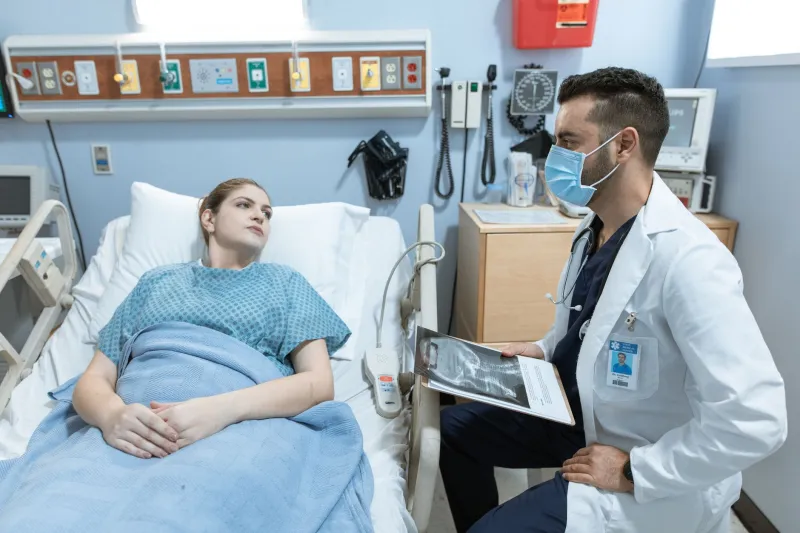
Photo by Photo by Vitaly Gariev on Unsplash on Unsplash
In the United States, healthcare decisions are rarely made in a vacuum. Cost, access, time away from work, and a deeply ingrained cultural tendency to "push through" discomfort all shape how Americans respond to painful medical conditions. Anal fissures—small but profoundly disruptive tears in the lining of the anal canal—are no exception. Many patients spend months, sometimes years, cycling through topical treatments, dietary modifications, and periodic flare-ups before pursuing definitive care. What is rarely discussed openly is what that delay actually costs—not just financially, but medically, psychologically, and in terms of daily human experience.
From Acute to Chronic: How a Treatable Tear Becomes a Complex Condition
Anal fissures begin as acute injuries. In their earliest form, they are relatively straightforward to treat—many resolve with conservative management within four to six weeks. The trouble begins when a fissure fails to heal and crosses the threshold into chronicity, typically defined as persisting beyond eight to twelve weeks.
At this stage, the body's attempts to protect the injured tissue actually work against healing. The internal anal sphincter—the involuntary muscle that controls closure of the anal canal—goes into a state of sustained spasm in response to pain. This spasm reduces blood flow to the already-compromised tissue, creating a self-reinforcing cycle: less blood flow means slower healing, which means continued pain, which perpetuates the spasm. The fissure deepens. Fibrotic tissue, sometimes called a sentinel pile, may develop at the lower edge of the tear. The wound becomes increasingly resistant to non-surgical intervention.
For many Americans who have been managing symptoms with over-the-counter preparations and dietary adjustments, this is the point at which they realize conservative treatment has run its course—often after far more time has passed than was necessary.
The Infection Risk That Rarely Gets Discussed
A chronic fissure is an open wound in one of the most bacterially active environments in the human body. While the anal canal has natural defenses, a non-healing tear represents a persistent point of vulnerability. Over time, chronic fissures can develop secondary complications including perianal abscess formation and the development of fistula-in-ano—an abnormal tunnel connecting the anal canal to the skin surrounding it.
Fistulas are significantly more complex to treat than the original fissure. Surgical repair of a fistula typically involves a more extensive procedure with a longer recovery, greater risk of post-operative complications, and in rare cases, implications for sphincter function. What began as a straightforward fissure can, through years of delay, become a multi-stage surgical problem.
Abscesses, for their part, require urgent drainage and carry the risk of systemic infection if not addressed promptly. Emergency presentations for complications of chronically untreated fissures are not uncommon in colorectal surgery practices—and they are almost universally more disruptive to a patient's life than a planned, elective surgical intervention would have been.
The Pain Cycle: Chronic Suffering with Measurable Consequences
Pain is not a neutral experience. The persistent, predictable pain associated with chronic anal fissures—particularly the severe discomfort that follows bowel movements and can last for hours afterward—reshapes behavior in ways that create additional medical problems.
Many patients begin to restrict their food intake or selectively avoid high-fiber foods in an effort to minimize the frequency or volume of bowel movements. This dietary avoidance, while psychologically understandable, worsens constipation and increases straining—the very mechanisms that perpetuate the fissure. A patient who is afraid to eat normally is caught in a nutritional and physiological trap.
Dehydration is also common among those attempting to reduce bowel frequency. Inadequate fluid intake further hardens stools, increases straining forces, and deepens the cycle of injury and re-injury.
Beyond the gut, chronic pain of any kind is associated with disrupted sleep, reduced physical activity, and a measurable decline in overall health markers. The body under sustained pain stress is not functioning optimally—and this has downstream consequences for immune function, cardiovascular health, and metabolic regulation.
The Psychological Dimension: Anxiety, Avoidance, and Social Withdrawal
The emotional burden of chronic anal fissure disease is consistently underestimated in clinical settings and almost entirely absent from mainstream health conversations. Yet the psychological impact on affected individuals is substantial and well-documented in colorectal health literature.
The anticipation of pain before a bowel movement—a phenomenon sometimes called "pre-defecation anxiety"—can become severe enough to interfere significantly with daily functioning. Patients describe planning their entire days around bathroom access, avoiding travel, declining social invitations, and withdrawing from physical intimacy with partners. The condition, though physically localized, permeates nearly every dimension of life.
For American professionals who travel frequently for work, manage demanding schedules, or are primary caregivers for children or aging parents, the cognitive and emotional load of managing a chronic fissure is genuinely disabling—even if it rarely appears in medical records as a mental health concern.
Depression and anxiety disorders are meaningfully more prevalent in populations with chronic pain conditions, and chronic fissure disease is no exception. Addressing the physical problem is, in many cases, the most direct path to restoring psychological wellbeing.
Why Surgical Intervention Becomes More Valuable Over Time
It is a medical irony that the longer a patient waits to pursue surgical treatment for a chronic fissure, the more valuable that surgery becomes—because the accumulated burden of suffering, secondary complications, and lifestyle disruption grows with every passing month. Lateral internal sphincterotomy, the gold-standard surgical procedure for chronic anal fissures, carries a success rate exceeding 90 percent in appropriately selected patients. It is a minimally invasive, typically day-procedure operation with a recovery period measured in weeks rather than months.
For many Americans, accessing this procedure domestically involves lengthy wait times, high out-of-pocket costs even with insurance, and difficulty identifying a colorectal surgeon with specific fissure expertise. These are precisely the barriers that have driven a growing number of US patients to seek care abroad—at specialized centers like Fissure Surgery Indore, where dedicated expertise, transparent pricing, and streamlined access combine to make early, definitive intervention genuinely achievable.
The Preventative Case for Acting Sooner
Modern healthcare increasingly emphasizes prevention over reaction. Colonoscopies, cardiovascular screenings, and diabetes management programs are all framed—correctly—as investments that prevent more serious and more expensive problems downstream. Fissure surgery deserves to be understood through the same lens.
Choosing surgical intervention before a chronic fissure progresses to abscess formation, fistula development, or severe psychological distress is not an aggressive medical decision. It is a proportionate, evidence-based response to a condition that, left unaddressed, reliably worsens. The question is not whether to treat—it is how long you are willing to wait before the cost of waiting exceeds the cost of acting.